Composite Roof Replacement vs. Repair: How to Decide
People seeking composite roof replacement often want to decide whether to repair or replace; local contractors can evaluate their roof and recommend the best solution.
If you’re a property owner exploring options for your roof, understanding the differences between composite roof replacement and repair is an important step in making an informed decision. Many local property owners face this choice when their existing roof shows signs of aging or damage, and knowing when to repair versus when to replace can help ensure the longevity and performance of your roof. This guide aims to clarify the key considerations, helping you evaluate which approach aligns best with your property’s needs and long-term goals.
Local contractors specializing in composite roofing services can provide valuable insights tailored to your specific situation. Whether your roof is nearing the end of its lifespan or only has isolated issues, these professionals can assess your roof’s condition and recommend the most practical solution. Keep reading to learn about the practical factors that influence the decision between repair and replacement, and discover how expert guidance can support your property’s protection and value.
- Composite roof replacement - needed when a roof has extensive damage or aging that repair cannot effectively address, with local contractors recommending full replacement for long-term durability.
- Composite roof repair - suitable for minor issues like leaks or damaged shingles, with local service providers focusing on targeted fixes to extend the roof’s lifespan.
- Composite roof replacement - considered when previous repairs have failed or the roof shows widespread wear, prompting local pros to advise a complete replacement for better performance.
- Composite roof repair - appropriate for isolated damage or specific problem areas, with local contractors performing repairs to preserve the existing roof structure.
- Composite roof replacement - chosen when the cost of ongoing repairs exceeds the value of replacing the entire roof, with local pros helping evaluate the best approach based on the roof’s condition.
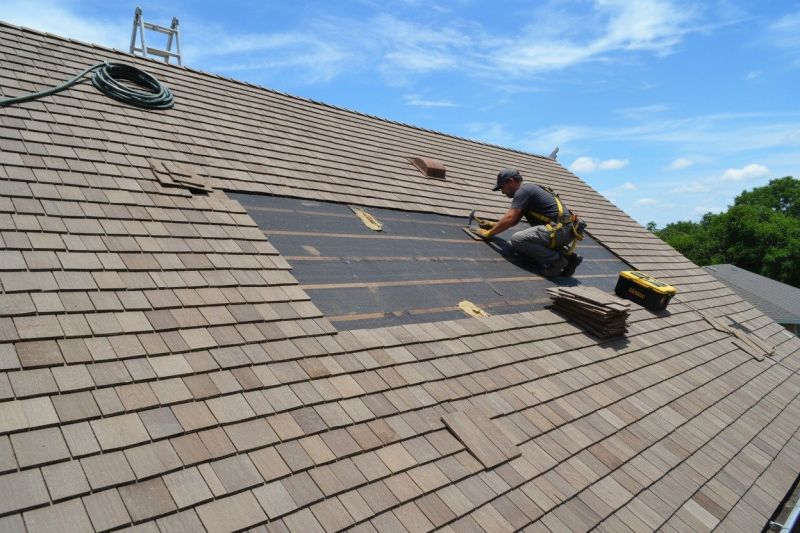
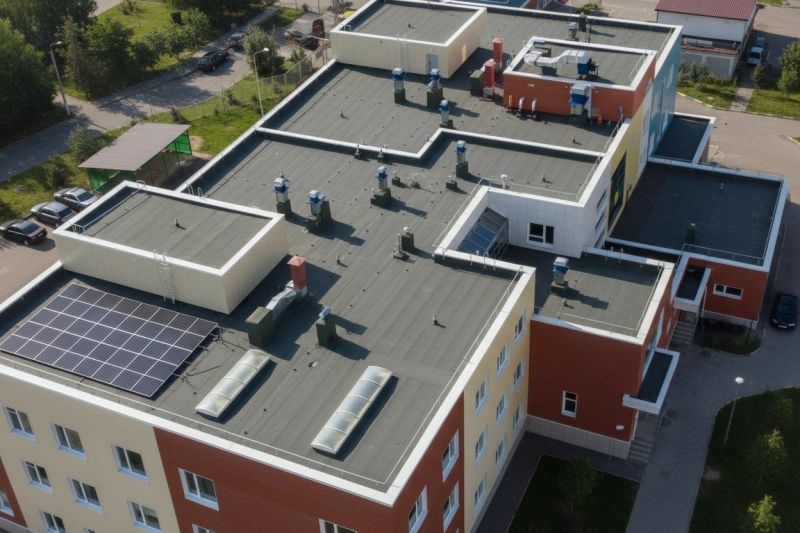
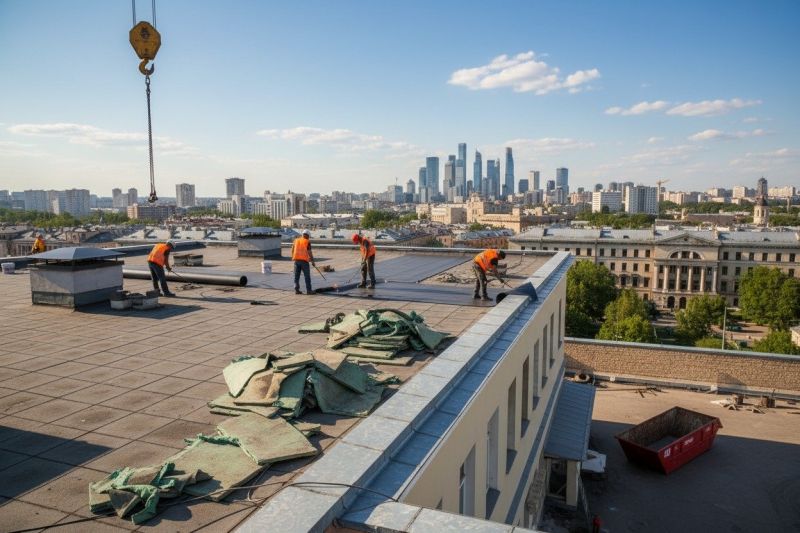
When homeowners search for information on composite roof replacement vs. repair: how to decide, they are often trying to determine the most appropriate solution for their roofing concerns. This topic typically arises when a roof shows signs of damage, aging, or wear that could either be addressed through repairs or might require a full replacement. Many property owners want to understand whether fixing specific issues will extend the roof’s lifespan or if the damage indicates the need for a new roof altogether. These decisions are especially relevant for those who want to protect their investment, improve property value, or prevent further problems caused by leaks, deterioration, or storm damage.
This subject relates closely to common roofing problems and planning projects. For example, a homeowner noticing cracked or missing composite shingles, water leaks, or widespread wear may wonder if repairs can restore the roof’s integrity or if replacement is necessary. It also connects to long-term planning, such as when a roof has reached its expected lifespan or has experienced significant storm damage. Property owners often seek guidance on whether to patch up the existing roof or opt for a complete overhaul, which involves removing the old materials and installing a new composite roof. Understanding the scope of the damage and the age of the current roof helps determine the most practical approach.
The types of properties that frequently come up in this context include residential homes, especially those with asphalt composite roofing, which is common in single-family houses. Commercial buildings with flat or low-slope composite roofs are also often part of these discussions. Larger properties or historic homes might have more complex roofing systems, but the decision-making process remains similar. Regardless of the property type, the focus is on evaluating the extent of damage, the condition of existing materials, and the overall goals for the roof’s lifespan. Local contractors who specialize in composite roof services can assess these factors and recommend whether repair or replacement makes the most sense.
Ultimately, understanding how to decide between composite roof replacement and repair involves considering the current condition of the roof, the extent of damage, and the long-term needs of the property. Homeowners should recognize that local service providers experienced in composite roofing can perform thorough inspections to help clarify this choice. Whether the goal is to fix isolated issues or to undertake a full replacement, connecting with qualified contractors ensures that the project aligns with the property’s needs and budget. This decision is a key step in maintaining a durable, functional roof that protects the home for years to come.
Roof Inspection and Assessment - professionals who evaluate roof condition help determine whether repair or replacement is the best option, similar to assessing when composite roof replacement is necessary versus repairing existing materials.
Roofing Material Installation - installing various roofing materials requires similar skills and planning as replacing or repairing composite roofing, ensuring proper application and durability.
Leak Detection and Repair - identifying and fixing leaks involves troubleshooting and precise work that is also essential when deciding between repairing or replacing a composite roof.
Gutter and Drainage System Services - installing or repairing gutters supports roof longevity, which is a key consideration when evaluating whether to repair or replace a roof.
Roof Ventilation and Insulation - improving ventilation and insulation shares planning and technical skills with managing composite roof systems during repair or replacement projects.
Skylight Installation and Repair - working with skylights involves roof access and sealing techniques similar to those used in composite roof replacement or repair decisions.
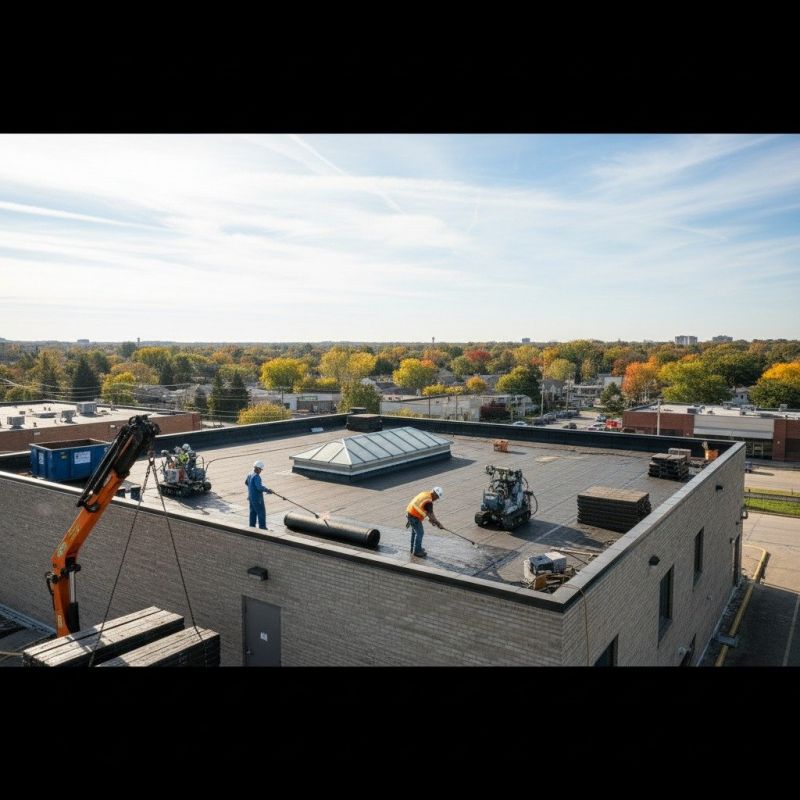
When evaluating contractors for composite roof replacement services, it’s important to consider their experience with similar projects. Homeowners should inquire about the types of roofing jobs the service providers have completed, ensuring they have a proven track record with composite materials and the scope of work involved. Contractors who regularly handle projects comparable in size and complexity are more likely to understand the nuances of replacing a roof with composite materials, which can influence the quality and longevity of the work.
Clear, written expectations are essential when choosing a service provider for roof replacement or repair. Homeowners should seek detailed proposals that outline the scope of work, materials to be used, and the projected timeline. Having these details documented helps prevent misunderstandings and provides a basis for comparing different contractors. It also ensures that both parties are aligned on the project’s goals, making it easier to decide whether a full replacement or repair is the appropriate course of action.
Reputable references and effective communication are key factors in selecting the right local contractor. Homeowners are encouraged to ask for references from previous clients who had similar projects completed and to verify the quality of their work. Additionally, a service provider’s ability to communicate clearly and promptly can greatly influence the overall experience. Contractors who are transparent, responsive, and willing to answer questions can help homeowners feel more confident in their decision-making process when considering composite roof replacement services versus repairs.
Property owners often search for composite roof replacement vs. repair: how to decide when they are planning practical projects around their homes and businesses. Local pros provide Composite Roof Replacement services for everyday jobs and straightforward project options.
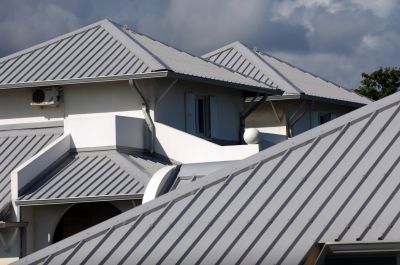
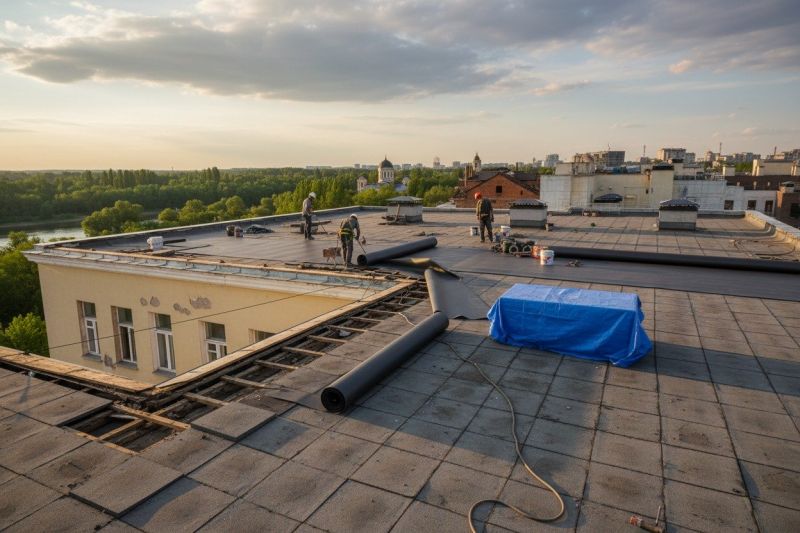
When property owners face issues with their roofs, they often wonder whether a repair or a full replacement is the best choice. For those dealing with minor damage or aging shingles, local contractors might recommend repairs to extend the roof’s lifespan without the need for a complete overhaul. However, in cases where damage is widespread or the roof has reached the end of its useful life, a composite roof replacement could be a more practical solution. Understanding the extent of the damage and the overall condition of the roof helps property owners make informed decisions about whether to pursue repairs or opt for a full replacement.
Many property owners in the area look into composite roof replacement services when repairs no longer seem sufficient or cost-effective. Local service providers can evaluate whether a repair will hold up against future issues or if a replacement will provide long-term benefits. Deciding between repair and replacement often depends on factors like the age of the roof, the severity of damage, and the potential for future repairs. Consulting with experienced local contractors can help property owners determine the most suitable approach for their specific situation, ensuring their roofs remain durable and reliable for years to come.
How do I know if a roof needs repair or full replacement? Local contractors can assess the condition of a composite roof to determine if repairs will suffice or if a full replacement is necessary based on factors like damage extent and age.
What are the advantages of replacing a composite roof instead of repairing it? Replacing a composite roof can provide a fresh, durable surface and may be more cost-effective in the long term if repairs are extensive or the roof is nearing the end of its lifespan.
When should I consider repairing a composite roof rather than replacing it? Repairs are typically suitable when damage is limited to specific areas, such as localized leaks or minor cracks, and the overall roof is still in good condition.
Can local contractors help determine whether repair or replacement is better? Yes, experienced service providers can evaluate the roof’s condition and advise on whether repairs or a full replacement best address the situation.
What factors influence the decision between composite roof replacement and repair? Factors such as the age of the roof, extent of damage, structural integrity, and future performance expectations play a role in deciding between repair and replacement.
Assessing roof condition - property owners can evaluate whether their roof has widespread damage or isolated issues to determine if repair or replacement is more suitable, with guidance from local contractors.
Considering long-term durability - choosing between repair and replacement involves understanding which option offers better longevity for the specific climate and roof type, with advice from local pros.
Matching project scope to needs - property owners can plan repairs for minor damage or opt for replacement when extensive issues are present, with input from local service providers.
Understanding material options - exploring different composite roofing materials can help property owners decide if repairs can address aesthetic or functional concerns or if a full replacement is recommended by local contractors.
If you are thinking about composite roof replacement vs. repair: how to decide for a property, this guide is meant to help you understand this topic, the typical project types, and how different options might fit your plans.
When you are ready, you can use the quote form on this page to share a few details about your project. From there, local pros can review the basics and follow up with options that match what you have in mind.